
Beginner’s Guide to Pond Planting: Native Plants for a Healthy Backyard Pond
- gelixspace
- Apr 18
- 5 min read

Adding plants to your pond isn’t just about making it look beautiful—it’s what keeps the entire system healthy.
A well-planted pond can help filter water naturally, reduce algae, and create a habitat for birds, pollinators, and beneficial insects. The best part? You don’t need to be an expert to get started.

In this guide, we’ll walk through the basics of pond planting in a simple, beginner-friendly way—so you can build a balanced, low-maintenance pond using native plants that thrive in New York conditions.
Understanding Pond Plant Zones (The Key to Getting It Right)
One of the most common beginner mistakes is placing plants in the wrong part of the pond. Think of your pond like layers—each zone supports different types of plants, and each plays a role in keeping the ecosystem balanced.
Deep Water Plants

These plants grow fully in the water, usually rooted at the bottom while their leaves float on the surface.
Why they matter:
Provide shade, which helps reduce algae growth
Keep water temperatures stable
Offer shelter for fish and aquatic life
Beginner-friendly example:
White Water Lily (Nymphaea odorata)
These are often the “centerpiece” plants of a pond and are great for both beauty and function.
Shallow Water / Marginal Plants

These grow along the edges of your pond, typically in a few inches of water.
Why they matter:
Act as natural filters by absorbing excess nutrients
Help stabilize the pond edge
Create a transition between water and land
Simple examples:
Pickerel Rush (Pontederia cordata)
Blue Flag Iris (Iris versicolor)
Soft Rush (Juncus effusus)
This is where most of your pond planting will happen, especially for beginners.
Moist Soil / Pond Edge Plants
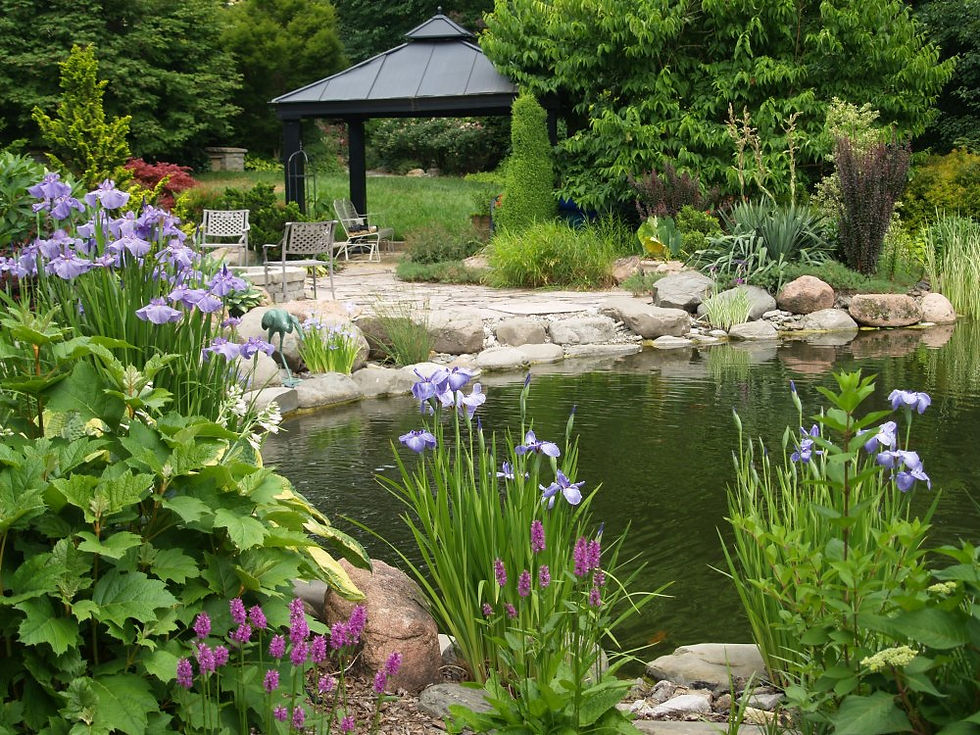
These plants don’t need standing water but thrive in consistently damp soil around the pond.
Why they matter:
Attract pollinators like butterflies and bees
Add height, color, and seasonal interest
Help blend your pond into the surrounding landscape
Easy choices:
Swamp Milkweed (Asclepias incarnata)
Cardinal Flower (Lobelia cardinalis)
These plants really bring your pond to life and connect it to the rest of your garden.
This section sets the foundation—once you understand zones, everything else becomes much easier.
Why Native Plants Are Best for Pond Planting
When it comes to building a healthy pond, native plants make everything easier—especially for beginners.
These are plants that naturally grow in New York and similar regions, so they’re already adapted to the local climate, rainfall, and seasonal changes. That means less guesswork for you and a better chance of success.
They’re Built for Your Climate
Native pond plants can handle:
Cold winters
Fluctuating water levels
Local soil and water conditions
You won’t need to constantly adjust or replace them—they already “know” how to grow here.
They Help Keep Your Water Clean
One of the biggest challenges in pond care is algae. Native plants naturally help with this by:
Absorbing excess nutrients in the water
Providing shade that limits algae growth
Supporting beneficial microorganisms
In simple terms, they act like a built-in filtration system.
They Support Local Wildlife
A planted pond quickly becomes a small ecosystem.
Native plants provide:
Nectar for pollinators like bees and butterflies
Shelter for frogs and beneficial insects
Resting spots for birds
For example:
Swamp Milkweed (Asclepias incarnata) supports monarch butterflies
Cardinal Flower (Lobelia cardinalis) attracts hummingbirds
This is where your pond goes from just “a water feature” to something truly alive.
They’re Lower Maintenance
Because native plants are well adapted:
They require less watering (once established)
They’re more resistant to pests and disease
They don’t need fertilizers to thrive
That means less work for you—and a more stable pond overall.
They’re a Safer Choice
Some non-native aquatic plants can become invasive and take over ponds quickly. Native plants grow in balance, making them a safer long-term option for your space and the environment.
✅ Bottom line: Native plants do most of the heavy lifting for you—cleaning the water, supporting wildlife, and staying resilient through the seasons.
Best Native Plants for Pond Planting (Beginner-Friendly Picks)
You don’t need dozens of plants to create a healthy pond. In fact, starting with just a few well-chosen native plants is often the best approach.
Here are five reliable, beginner-friendly pond plants that each serve a purpose in your pond ecosystem:
1. White Water Lily (Nymphaea odorata)

This is one of the most classic pond plants—and for good reason.
Why it’s great:
Floating leaves provide shade to reduce algae
Helps keep water temperatures stable
Adds a calm, natural look to your pond
Best placement: Deep water
Pickerel Rush (Pontederia cordata)

One of the best all-around pond edge plants.
Why it’s great:
Helps filter excess nutrients
Produces soft purple flowers in summer
Very beginner-friendly and hardy
Best placement: Shallow water / margins
Lizard’s Tail (Saururus cernuus)
This is a super underrated native that thrives in wet conditions.
Why it’s great:
Unique white flowers that droop like a tail
Spreads nicely to fill in pond edges
Excellent for natural-looking ponds
Best placement: Shallow water / moist edges
Soft Rush (Juncus effusus)

Simple look, but very important function.
Why it’s great:
Acts as a natural water filter
Adds vertical structure year-round
Extremely low maintenance
Best placement: Shallow water / edges
Buttonbush (Cephalanthus occidentalis)
A great option if you want structure and wildlife value.
Why it’s great:
Thrives in wet soil near ponds
Unique round flowers attract pollinators
Adds height and habitat
Best placement: Moist soil near pond
✅ Beginner Tip: Keep it simple:
1 floating plant
2–3 edge plants
1 structural plant
That’s all you need to start a balanced pond.
Conclusion
Creating a pond doesn’t have to be complicated—or perfect right from the start. In fact, some of the most successful ponds begin very simply, with just a few well-placed native plants and a willingness to observe and learn along the way.
When you choose plants that naturally thrive in wet conditions, you’re not just decorating your pond—you’re building a small ecosystem. These plants help filter the water, provide shelter for wildlife, and create a natural balance that reduces the need for constant maintenance. Over time, you’ll start to notice subtle changes: clearer water, more insects and birds visiting, and a space that feels more alive with each season.
It’s also important to remember that pond gardening is a process. Water levels shift, plants grow at different speeds, and every pond has its own rhythm. Instead of trying to get everything “just right” immediately, focus on starting small and making adjustments as you go. Even experienced gardeners are always learning from their ponds.
If you’re not sure where to begin, start by paying attention to your space—how much sunlight it gets, how wet the soil stays, and where water naturally collects. From there, choose a few native plants that match those conditions and give them time to establish. Nature does a lot of the work for you when the right plants are in the right place.
With a little patience, your pond can become one of the most peaceful and rewarding parts of your garden—a place where plants, water, and wildlife come together in a way that feels both natural and effortless.


Comments