
Don’t Panic — It’s Just Dormancy! Understanding the Seasonal Cycle of Native and Wetland Plants

If your native or wetland plants suddenly look brown, wilted, or even gone — don’t grab the shovel just yet! Chances are, your plants aren’t dying at all. They’re simply resting.

Many native species have adapted to survive their local climate by entering a natural resting phase known as dormancy. This is when growth slows down or stops altogether so the plant can conserve energy during cold, dry, or stressful seasons. It might look lifeless above the soil, but underneath, the roots are still very much alive — preparing to grow again when the conditions are right.
In other words, dormancy isn’t the end — it’s part of the rhythm. By understanding this seasonal cycle, you’ll avoid unnecessary worry (and unnecessary replanting!) while helping your garden thrive naturally year after year.
In this post, you’ll learn how to recognize dormancy, why it’s essential for native and wetland plants, and how to care for your garden through each seasonal shift — so you can work with nature instead of against it.
Why Native and Wetland Plants into Dormancy

It can be alarming to see your vibrant wetland or native garden fade into brown stems and bare soil — but this seasonal “pause” is actually a vital part of the plant’s life cycle. Dormancy allows plants to survive temperature swings, water changes, and light fluctuations throughout the year.
❄️ Seasonal Temperature Changes
When freezing winters or dry late summers arrive, many native plants slow their growth to protect themselves. Aboveground parts may wither or disappear, but below the surface, roots are storing nutrients and energy. This rest phase helps them come back stronger once the weather stabilizes.
🌤 Day Length and Light Levels
As daylight hours shorten in late fall, plants sense the change. Fewer daylight hours trigger a biological response that tells them it’s time to conserve energy. By reducing photosynthesis and halting new growth, plants protect themselves from the stress of cold or drought.
💧 Moisture Levels
For wetland species, dormancy often follows changing water levels. Some plants go dormant when their environment becomes too dry, while others “rest” when ponds or soil freeze over. When water returns in spring, these same species quickly reawaken and resume growth.
🌱 The Benefit of Rest
Dormancy isn’t plant death — it’s plant wisdom. This built-in survival mechanism helps native and wetland plants withstand seasonal extremes and return even stronger when conditions improve. Think of it as nature’s version of recharging — a quiet phase of restoration before the next burst of growth.
How to Tell if Your Plant Is Dormant — Not Dead
When your garden suddenly looks lifeless, it’s easy to assume the worst. But before tossing those “dead” plants, take a closer look — they might just be dormant and waiting for the right conditions to return.
Here’s how to tell the difference between a plant that’s simply resting and one that’s truly gone:
✅ Key Signs of Dormancy
1. Stems Are Dry but Not Brittle
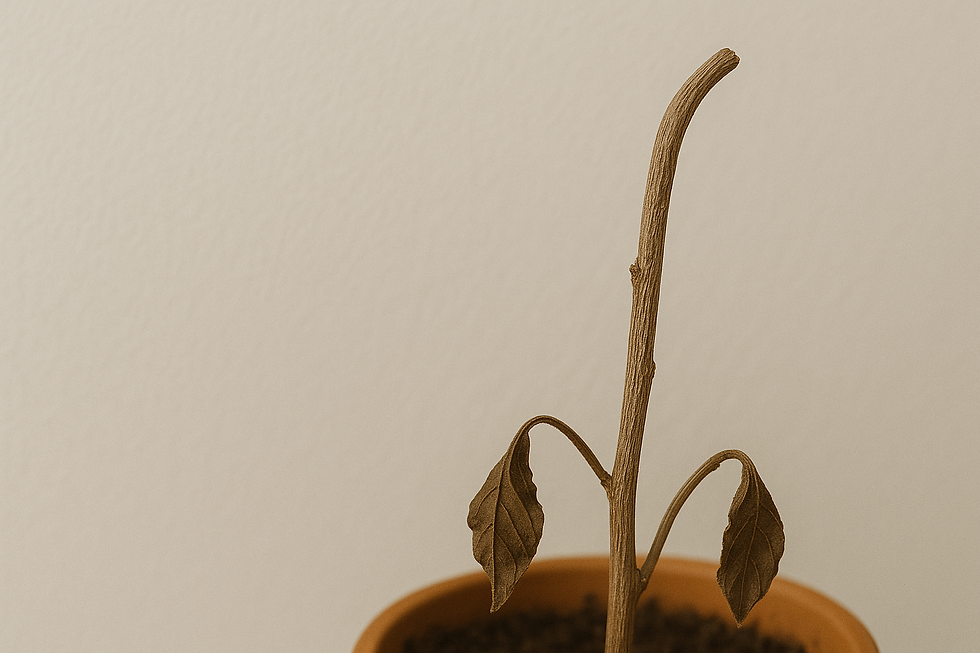
Perform the snap test. Bend a stem gently — if it flexes slightly or feels rubbery, your plant is still alive. If it breaks cleanly and snaps like a twig, that section is likely dead, but the root system may still be fine.
💡 Tip: Many native perennials die back to the ground each year, so don’t judge health just by what’s visible above soil.
2. Roots or Crown Feel Firm — Not Mushy

The root crown (where the stem meets the soil) is your plant’s battery. A firm, solid feel means it’s alive and storing energy. Soft, mushy roots, however, indicate rot or waterlogging.
🌿 Try this: Gently dig around the crown with your fingers — if you see white or tan roots and firm texture, your plant is simply resting.
3. No Foul Smell of Decay
Healthy dormant roots smell earthy and clean. A sour, rotting odor signals true plant death, often from poor drainage or fungal decay. Good airflow and native-friendly soil can prevent this problem.
4. Scratch Test — The Green Signal

Lightly scratch a stem, branch, or crown with your fingernail. If the layer beneath is green or moist, that’s living tissue! Brown or dry throughout means that section is gone, but again — the roots might still be alive underground.
🌱 Pro tip: Always check multiple stems before assuming the worst. Some above-ground growth may die back naturally while the rootstock stays alive.
Common Native Plants That “Disappear”
Some of the most resilient wetland and native perennials completely retreat from sight each year — a survival move that helps them conserve energy and survive harsh conditions. While they may look gone, these species are quietly preparing underground for spring’s comeback.
Great Blue Lobelia (Lobelia siphilitica) – Dies back entirely after frost, returning each summer with tall blue flower spikes that attract bees and butterflies.
Obedient Plant (Physostegia virginiana) – Foliage vanishes in winter, but sturdy rhizomes persist beneath the surface, ready to send up new shoots when soil warms.
Sneezeweed (Helenium autumnale) – Foliage and stems fade after frost; roots stay alive through cold and flooding, then reemerge mid-spring.
Golden Ragwort (Packera aurea) – Semi-evergreen in mild climates but goes fully dormant in northern regions; reawakens with bright yellow blooms early in the season.
Turtlehead (Chelone glabra) – Completely disappears by winter, but underground stems (rhizomes) survive freezing temperatures with ease.
Virginia Bluebells (Mertensia virginica) – One of the earliest spring bloomers; foliage fades by summer heat, remaining dormant until the next cool season.
Marsh Blazing Star (Liatris spicata) – Above-ground growth dies back after frost, but the corms remain healthy underground, ready to produce tall purple plumes next year.
Prairie Ironweed (Vernonia fasciculata) – Loses all visible growth in winter, yet its deep root system stays active, helping it bounce back during spring rains.
Sensitive Fern (Onoclea sensibilis) – Turns brown quickly after frost; rhizomes overwinter below the soil, sprouting new fronds in late spring.
Monkey Flower (Mimulus ringens) – Disappears completely when frost arrives, but roots stay viable beneath wet soil, producing new stems as water levels rise again.
🌼 Fun fact: Many of these “disappearing” plants evolved in floodplains or cold zones — they instinctively know when to shut down growth to survive, then burst back to life once warmth and moisture return.
🌾 How to Care for Dormant Native Plants

Once your native or wetland plants have entered dormancy, your job as a gardener shifts from tending to active growth to gentle protection. These plants are tough — they’ve adapted to cycles of flooding, freezing, and drying for thousands of years — but a little seasonal care helps them make an even stronger return come spring.
Here’s how to support them during their resting phase:
Leave Stems and Seed Heads Standing

Resist the urge to tidy everything up! Leave stems, stalks, and seed heads in place through fall and winter. They add texture and movement to your garden while providing:
Winter shelter for insects and small animals
Seeds for birds and other wildlife
Natural insulation that protects crowns and roots from harsh temperatures
💡 Bonus: Standing stems also help trap snow, which melts slowly and replenishes groundwater for spring.
Avoid Heavy Mulching on Crowns

A light mulch layer is great for insulation, but piling mulch directly on top of the root crown can suffocate plants or trap too much moisture, leading to rot. Instead, keep mulch about an inch or two away from the base and use breathable materials like shredded leaves or pine needles.
🚫 Avoid dense wood chips or plastic covers — these block airflow and prevent the soil from “breathing.”
Water Lightly During Extended Dry Periods

Even though your plants are dormant, roots still need a little moisture to stay healthy. If winter brings long dry spells and the ground isn’t frozen, give your garden a light watering every few weeks. Wetland species, in particular, benefit from consistent soil moisture even during rest.
🌤 Rule of thumb: If the soil is powdery or cracked, it’s time to water.
Mark Plant Locations Before Winter

Many native and wetland plants disappear completely above ground, so it’s easy to forget where they’re hiding. Use plant tags, small stakes, or garden maps to mark their locations. This prevents accidental digging or planting over dormant roots in early spring.
🏷 Labeling your plants also helps you track which ones wake up first each year — a fun way to learn their natural rhythm!
Be Patient — Some Wake Up Late
Don’t panic if your garden still looks bare in April. Many wetland species are late risers, waiting for soil to warm before reemerging. Plants like Turtlehead, Marsh Blazing Star, and Sneezeweed often don’t sprout until mid to late spring.
🌼 Remember: dormancy is patience rewarded. The wait always leads to fresh, healthy growth.
By giving your dormant native plants a bit of space, protection, and trust, you’re allowing nature to do what it does best — renew itself. When spring returns, your wetland garden will thank you with strong roots, vibrant foliage, and blooms that remind you why letting nature rest was worth it.
If your native or wetland garden looks quiet, brown, or lifeless, remember — it’s not the end of the story. It’s just nature pressing pause. Dormancy is how plants survive the toughest parts of the year, conserving their strength beneath the surface while everything above takes a rest.
By understanding this natural rhythm, you’ll start to see the beauty in every season — even the stillness of winter. Those bare patches and dry stalks are simply part of your garden’s life cycle, preparing for a fresh burst of color and growth when spring returns.
So, instead of worrying, watch and wait. Trust the process — your plants know exactly what to do.
💧 Curious which native species thrive through these seasonal shifts?Take a moment to explore our Native Plant Selection — featuring regionally adapted wetland and perennial plants that rest, renew, and return stronger every year.


Comments